Apex11 referral codes without hype math
Referral programs fail readers when benefits are shouted and conditions are whispered. Apex11 flips that order.

What a referral code is
A tracking token that attributes an invite. It is not free money physics.
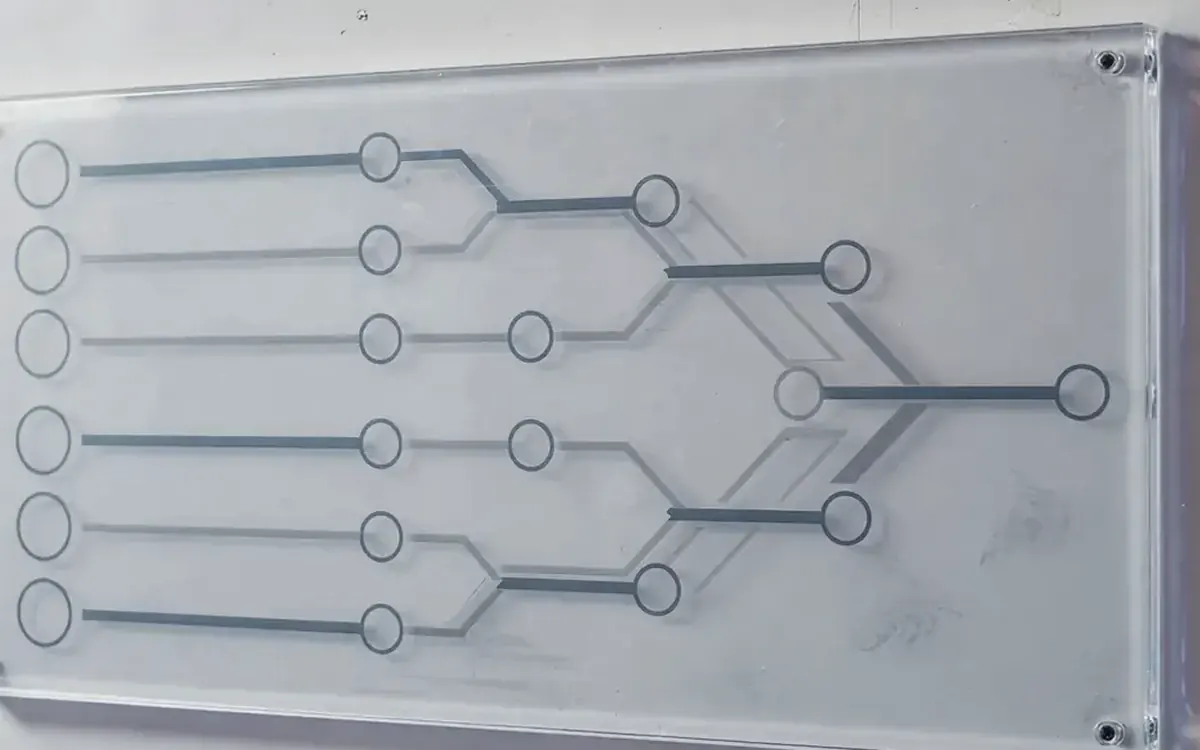
What a referral code is: visual context
Framed competition photography sits beside the notes so mobile readers keep orientation while scrolling dense guidance.
Terms first
Eligibility, expiry, contest requirements and geographic limits decide whether a code does anything.
Typical flow
Create or access an account, enter the code where the product allows, and confirm acceptance before assuming credit.
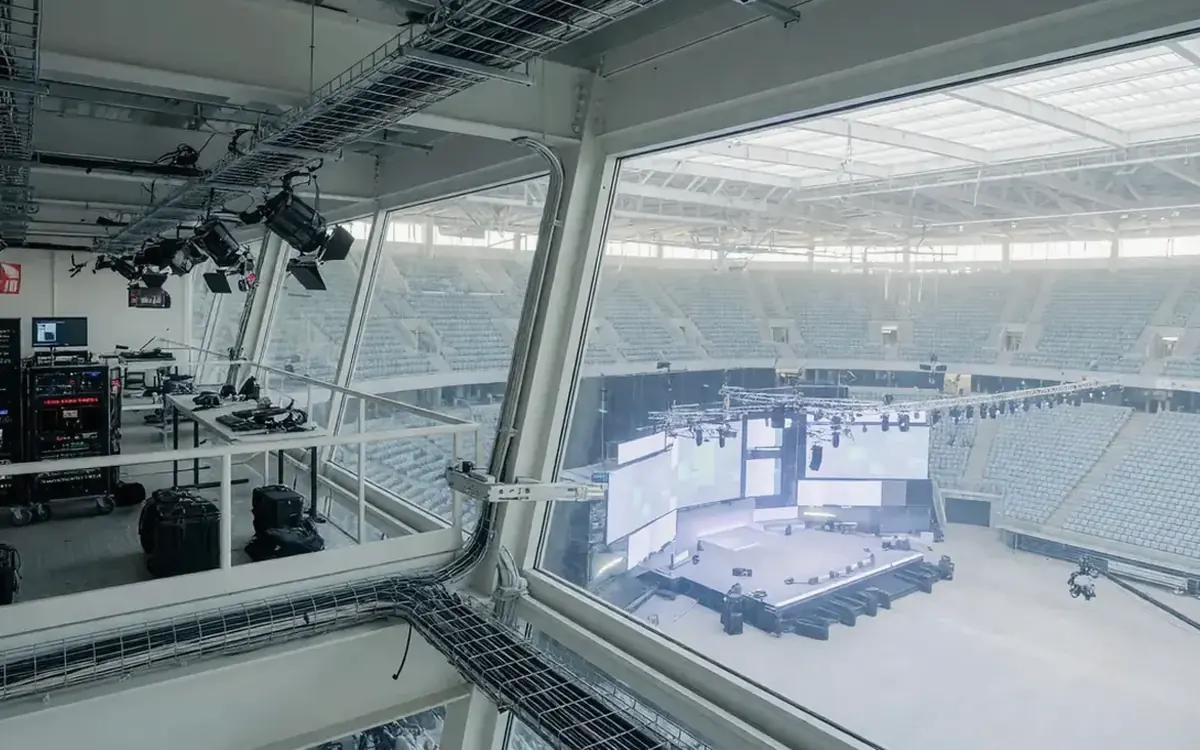
Typical flow: visual context
Framed competition photography sits beside the notes so mobile readers keep orientation while scrolling dense guidance.
Inviting friends ethically
Explain risks and age rules. Do not pressure people who are uncomfortable with contests.
Fake code scams
Codes bundled with 'guaranteed withdrawals' are a red flag. Walk away.
Tracking without obsession
Check status inside the product UI if available. Spreadsheet mania rarely improves outcomes.
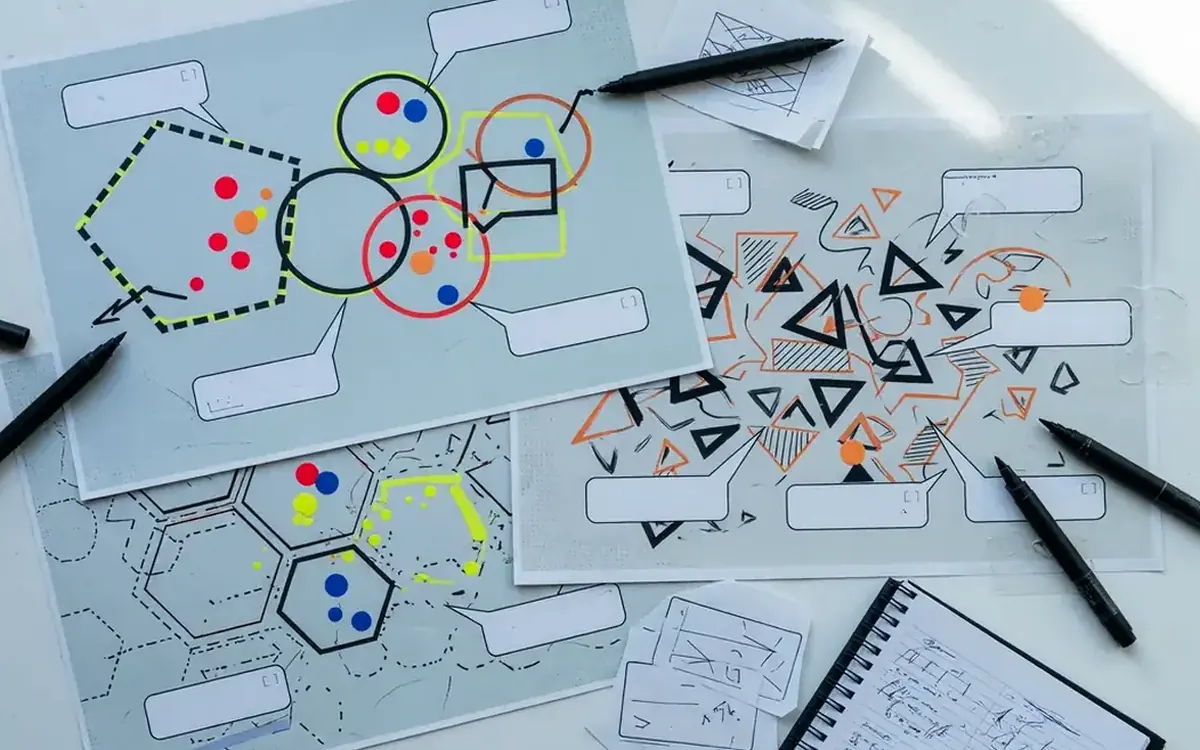
Tracking without obsession: visual context
Framed competition photography sits beside the notes so mobile readers keep orientation while scrolling dense guidance.
Practical realities
Promotional value can change. Screenshot claims on social media are not policy documents.
Pair with bonus notes
Referral and bonus language often interact. Read both before stacking assumptions.
Field depth from the Apex11 desk
From a regional-format lens, refer coverage on Apex11 stays useful when writers refuse to invent certainty. Avoid converting a single map win into dynasty language. On mobile, keep the stage label and verification stamp inside the first screen. Readers should still find the stage label, the verification stamp, and the difference between a confirmed window and a working assumption without hunting through decoration. That is how a competition desk earns trust across long seasons.
From a risk-label lens, refer coverage on Apex11 stays useful when writers refuse to invent certainty. Keep commercial prompts away from pure analysis blocks. If nothing material changed since the previous series, say so plainly. Readers should still find the stage label, the verification stamp, and the difference between a confirmed window and a working assumption without hunting through decoration. That is how a competition desk earns trust across long seasons.
From a risk-label lens checklist
- Keep commercial prompts away from pure analysis blocks.
- If nothing material changed since the previous series, say so plainly.
- Keep vocabulary inside esports stages, roles and patches.
- Link related tournament, team and guide notes for a clean next step.
From a veto-discipline lens, refer coverage on Apex11 stays useful when writers refuse to invent certainty. Write the advancement rule before any momentum narrative. Put known facts in one column and open questions in another before publishing a preview. Readers should still find the stage label, the verification stamp, and the difference between a confirmed window and a working assumption without hunting through decoration. That is how a competition desk earns trust across long seasons.
Field note · Refer
Document what changed since the previous series: roster tag, map pool, patch offset and broadcast path. If nothing changed, say so. Apex11 prefers dated frameworks over undated swagger.
From a film-room lens, refer coverage on Apex11 stays useful when writers refuse to invent certainty. Timestamp stand-in tags the same day they are observed. Timestamp every roster claim with the day it was last verified by the desk. Readers should still find the stage label, the verification stamp, and the difference between a confirmed window and a working assumption without hunting through decoration. That is how a competition desk earns trust across long seasons.
Practical pass
Timestamp every roster claim with the day it was last verified by the desk. Apply it before sharing a hot take into a group chat or prediction slip.
From a stage-structure lens, refer coverage on Apex11 stays useful when writers refuse to invent certainty. Confirm the source date before treating a roster note as current. When two sources disagree, surface both and state what would settle the difference. Readers should still find the stage label, the verification stamp, and the difference between a confirmed window and a working assumption without hunting through decoration. That is how a competition desk earns trust across long seasons.
From a stage-structure lens checklist
- Confirm the source date before treating a roster note as current.
- When two sources disagree, surface both and state what would settle the difference.
- Keep vocabulary inside esports stages, roles and patches.
- Link related tournament, team and guide notes for a clean next step.
From a roster-stability lens, refer coverage on Apex11 stays useful when writers refuse to invent certainty. Separate announced brackets from speculative bracket drawings. Use chapter labels so readers can place a match inside the season arc. Readers should still find the stage label, the verification stamp, and the difference between a confirmed window and a working assumption without hunting through decoration. That is how a competition desk earns trust across long seasons.
From a patch-timing lens, refer coverage on Apex11 stays useful when writers refuse to invent certainty. Label confidence when a schedule window is still soft. For player notes, lead with role and recent series context rather than career mythology. Readers should still find the stage label, the verification stamp, and the difference between a confirmed window and a working assumption without hunting through decoration. That is how a competition desk earns trust across long seasons.
Field note · Refer
Document what changed since the previous series: roster tag, map pool, patch offset and broadcast path. If nothing changed, say so. Apex11 prefers dated frameworks over undated swagger.
From a broadcast-accessibility lens, refer coverage on Apex11 stays useful when writers refuse to invent certainty. Prefer primary tournament pages over unsourced social screenshots. For team notes, start with the active core and only then discuss substitutes. Readers should still find the stage label, the verification stamp, and the difference between a confirmed window and a working assumption without hunting through decoration. That is how a competition desk earns trust across long seasons.
From a broadcast-accessibility lens checklist
- Prefer primary tournament pages over unsourced social screenshots.
- For team notes, start with the active core and only then discuss substitutes.
- Keep vocabulary inside esports stages, roles and patches.
- Link related tournament, team and guide notes for a clean next step.
From an evidence-hierarchy lens, refer coverage on Apex11 stays useful when writers refuse to invent certainty. Keep role labels consistent across previews and film notes. Treat odds chatter as optional color, never as a substitute for matchup structure. Readers should still find the stage label, the verification stamp, and the difference between a confirmed window and a working assumption without hunting through decoration. That is how a competition desk earns trust across long seasons.
Practical pass
Treat odds chatter as optional color, never as a substitute for matchup structure. Apply it before sharing a hot take into a group chat or prediction slip.
From a practice-block lens, refer coverage on Apex11 stays useful when writers refuse to invent certainty. Record whether a patch landed before or after a series started. End film-room notes with one concrete adjustment to watch next series. Readers should still find the stage label, the verification stamp, and the difference between a confirmed window and a working assumption without hunting through decoration. That is how a competition desk earns trust across long seasons.
From a regional-format lens, refer coverage on Apex11 stays useful when writers refuse to invent certainty. Track which maps or modes sit in the active competitive pool. On mobile, keep the stage label and verification stamp inside the first screen. Readers should still find the stage label, the verification stamp, and the difference between a confirmed window and a working assumption without hunting through decoration. That is how a competition desk earns trust across long seasons.
From a regional-format lens checklist
- Track which maps or modes sit in the active competitive pool.
- On mobile, keep the stage label and verification stamp inside the first screen.
- Keep vocabulary inside esports stages, roles and patches.
- Link related tournament, team and guide notes for a clean next step.
Field note · Refer
Document what changed since the previous series: roster tag, map pool, patch offset and broadcast path. If nothing changed, say so. Apex11 prefers dated frameworks over undated swagger.
From a risk-label lens, refer coverage on Apex11 stays useful when writers refuse to invent certainty. Note region locks and platform differences that change viewing paths. If nothing material changed since the previous series, say so plainly. Readers should still find the stage label, the verification stamp, and the difference between a confirmed window and a working assumption without hunting through decoration. That is how a competition desk earns trust across long seasons.
From a veto-discipline lens, refer coverage on Apex11 stays useful when writers refuse to invent certainty. Avoid converting a single map win into dynasty language. Put known facts in one column and open questions in another before publishing a preview. Readers should still find the stage label, the verification stamp, and the difference between a confirmed window and a working assumption without hunting through decoration. That is how a competition desk earns trust across long seasons.
From a film-room lens, refer coverage on Apex11 stays useful when writers refuse to invent certainty. Keep commercial prompts away from pure analysis blocks. Timestamp every roster claim with the day it was last verified by the desk. Readers should still find the stage label, the verification stamp, and the difference between a confirmed window and a working assumption without hunting through decoration. That is how a competition desk earns trust across long seasons.
From a film-room lens checklist
- Keep commercial prompts away from pure analysis blocks.
- Timestamp every roster claim with the day it was last verified by the desk.
- Keep vocabulary inside esports stages, roles and patches.
- Link related tournament, team and guide notes for a clean next step.
Practical pass
Timestamp every roster claim with the day it was last verified by the desk. Apply it before sharing a hot take into a group chat or prediction slip.
From a stage-structure lens, refer coverage on Apex11 stays useful when writers refuse to invent certainty. Write the advancement rule before any momentum narrative. When two sources disagree, surface both and state what would settle the difference. Readers should still find the stage label, the verification stamp, and the difference between a confirmed window and a working assumption without hunting through decoration. That is how a competition desk earns trust across long seasons.
Field note · Refer
Document what changed since the previous series: roster tag, map pool, patch offset and broadcast path. If nothing changed, say so. Apex11 prefers dated frameworks over undated swagger.
From a roster-stability lens, refer coverage on Apex11 stays useful when writers refuse to invent certainty. Timestamp stand-in tags the same day they are observed. Use chapter labels so readers can place a match inside the season arc. Readers should still find the stage label, the verification stamp, and the difference between a confirmed window and a working assumption without hunting through decoration. That is how a competition desk earns trust across long seasons.
FAQ
What is the Apex11 approach to referral codes?
Structure and sources first. Referral Codes notes stay labeled when they are frameworks rather than confirmed live data.
Do you invent scores or brackets?
No. Unconfirmed structures are marked as frameworks.
Where can I compare options before playing?
Use the review and guides notes, then the Compare Options controls across the site.
Is there a responsible play boundary?
Yes. Adult eligibility rules apply where contests exist, and coverage never promises profit.
How do commercial links work?
Only the first-party /Login/playnow route is used for PLAY NOW actions, with sponsored rel attributes.
Can I trust roster claims here?
Only when a verification date and source ladder sit nearby. Undated claims are rejected.
Trusted next step
Ready for the Apex11 route?
Open the disclosed first-party path when your questions are answered, or keep comparing editorial notes.
Commercial route uses a first-party path only. 18+ where contests apply. Outcomes are never guaranteed.